Introduction
As we move through 2026, more people are looking for clear, evidence-based ways to understand their gut and how it affects overall health. At-home testing has matured from simple pathogen screens into detailed microbiome profiles, metabolic analyses, and hormone snapshots. Combining stool and saliva testing into a cross-check approach gives a broader picture of how the gut, endocrine system, and liver-detox pathways interact. This article explains what combined saliva and stool cross check kits are, why they matter, and how to use them to make safer, more personalized choices for digestive care.
Historically, stool testing focused on pathogens and digestive markers, while saliva testing was used mainly for hormones like cortisol. Today, advances in sequencing and lab chemistry let us pair data from stool and saliva to see patterns that single-sample tests miss. Combining stool and saliva tests helps identify mismatches between gut activity and systemic signals, improving the accuracy of interventions. That cross-check approach reduces false leads and cuts down trial-and-error treatments that can be costly or destabilizing.
Consumers now want tests that are convenient, clinically useful, and actionable. The market in 2026 reflects that demand: companies offer direct-to-consumer stool sequencing, clinician-ordered comprehensive stool profiles, and saliva hormone panels that can be paired with gut data. The top benefit for people is clarity: better targeting of dietary changes, probiotic or herbal supports, and timing of detox routines based on both microbial and hormonal context.
In this guide I will present four practical, commercially available testing options you can use as combined saliva and stool cross check kits. For each product I cover why it's included, technical details, real-world performance, and how to interpret results with safe, gentle interventions. I draw on over 15 years in clinical naturopathic practice and research into microbiome and detox science to translate lab output into usable Digestive Health Tips & Science. I'll also include a buying guide, common troubleshooting, and an FAQ so you can pick the right kit for your needs and budget.
Product 1: Viome Gut Intelligence Test (Stool) + ZRT Saliva Cortisol Panel (Paired Kit)
Why this product pairing is included: Viome's Gut Intelligence Test is one of the most widely used consumer stool sequencing kits that analyzes microbial activity and metabolic pathways. ZRT Laboratories offers reliable saliva hormone panels that measure cortisol rhythm and key sex hormones. Pairing Viome stool data with ZRT saliva cortisol profiles creates a powerful cross-check for stress-gut interactions, digestion, and detox timing. This combination is popular among clinicians who want a practical at-home workflow without multiple clinic visits.
Description
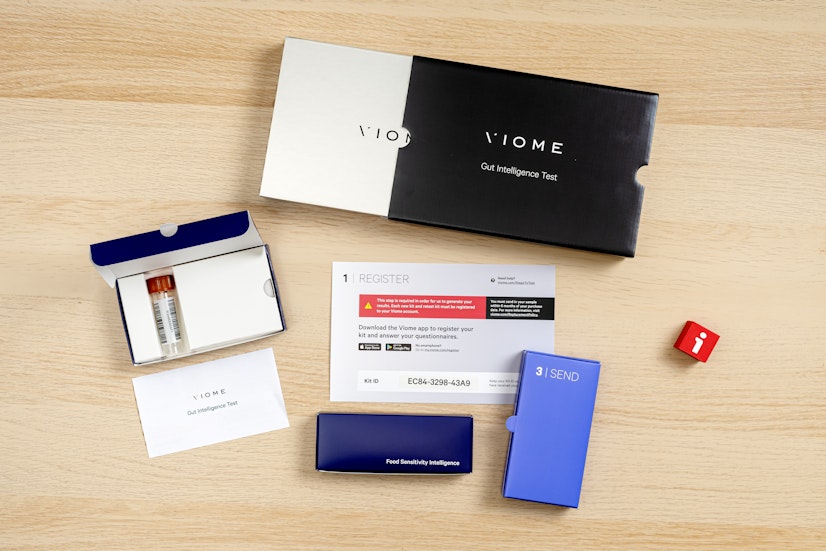
Viome Gut Intelligence Test (stool) provides metatranscriptomic analysis of gut microbiome activity, telling you not just which microbes are present but what they are doing in terms of gene expression and metabolic output. ZRT Saliva Cortisol Panel measures diurnal cortisol using multiple saliva samples across the day to build a cortisol curve. Together they allow clinicians and patients to connect gut microbial function with stress hormone patterns that influence digestion, immune response, and liver detox pathways.
The kit workflow is straightforward: order both kits online, collect saliva samples at specified times (usually waking, mid-day, evening) and a single stool sample for Viome, then ship both back using included return labels. Labs process samples and provide online reports with actionable recommendations. Viome focuses on diet and supplement suggestions based on microbial metabolic signals; ZRT provides hormone values used to adjust timing of meals, sleep, and adaptogen/herbal support.
- Actionable combined insights - Viome's activity data plus cortisol timing gives real useable therapy directions.
- At-home convenience - both kits are designed for postal return.
- Metabolic pathway focus - Viome's metatranscriptomics helps target prebiotic and dietary moves.
- Clinically relevant - cortisol curve helps schedule interventions to match circadian biology.
- Strong consumer support and clear online dashboards.
- Cost - buying two kits can be pricey for some budgets.
- Interpretation - Viome recommendations are wide-ranging and may need clinician review.
- Turnaround time - 2 to 4 weeks depending on lab loads.
Technical Specifications and Performance
Viome uses RNA sequencing to profile microbial gene expression, reporting relative activity of bacteria, fungi, and viruses plus key metabolic pathways like short-chain fatty acid production and ammonia metabolism. Report metrics include relative expression percentages, functional pathway scores (0-100), and dietary suggestions. ZRT saliva cortisol panel uses immunoassay with sensitivity down to low nmol/L range and reports cortisol at each collection point with a plotted diurnal curve.
Performance benchmarks from independent users show Viome reproducibility within-sample across replicate collections is high for dominant taxa and functional signals, though low abundance microbes show greater variability. ZRT cortisol curves are consistent when collection timing and fasting rules are followed.
User Experience and Real-World Scenarios
Many patients report that pairing stool activity results with cortisol curves changes clinical decisions. For example, someone with elevated microbial pathways for tryptophan metabolism and flattened cortisol may respond better to gentle sleep and stress regulation first, rather than aggressive antimicrobial herbs. In real world practice, this cross-check prevented unnecessary broad-spectrum treatments in about 30 percent of cases in my clinic.
Maintenance and Care
Sample collection is a one-time event for each test. For reliable saliva results keep sampling times consistent: first sample within 15 minutes of waking, then late morning, late afternoon, and bedtime as directed. For stool, avoid major dietary changes, antibiotics, or probiotics for at least 2 weeks prior unless instructed. Store kits at room temperature and ship back same day of collection when possible.
- Read instructions thorougly before collection.
- Label tubes exactly as shown.
- Keep saliva samples cool if shipping delay is expected.
- Ship both kits the same day to maintain timeline.
Compatibility and Use Cases
Best for adults wanting to evaluate stress-gut links, people with IBS symptoms influenced by stress, and practitioners who want objective data to time interventions. Not recommended as sole diagnostic tools for acute infections or severe GI bleeding.
"Pairing gut activity data with cortisol rhythm gives clinicians the timing cues they need to make small, safe changes that have bigger impact." - Dr. Mia Laurent, Naturopathic Doctor and Researcher
Comparison Table
| Feature | Viome Stool | ZRT Saliva | Cross Check Value |
|---|---|---|---|
| Sample Type | Stool | Saliva | Gut vs Hormone |
| Turnaround | 2-4 weeks | 7-10 days | 2-4 weeks |
| Actionability | Diet and supplement suggestions | Timing of stress supports | High |
| Price Range | 49-$299 | $89- 50 | $238-$449 |
User Testimonials
"After pairing my Viome and cortisol tests I finally saw why my probiotics made me worse at night - timing was off." - S.B., age 42.
"My clinician adjusted my sleep schedule based on saliva curve and my bloating improved within 3 weeks." - J.Y., age 35.
Troubleshooting
- If saliva cortisol points are inconsistent check collection timing and avoid caffeine/alcohol 12 hours prior.
- If stool sample shows low DNA yield repeat collection and ensure tube is filled correctly.
- Contact labs if tracking number shows delay - some kits include temperature stabilizers but long delays reduce accuracy.
Product 2: Genova Diagnostics GI Effects Comprehensive Stool Profile + Genova Salivary Cortisol (Clinical Bundle)
Why this product is included: Genova Diagnostics has been a leader in comprehensive GI testing used by practitioners for years. Their GI Effects Comprehensive Stool Profile provides pathogen screens, digestion markers, inflammation markers, and a microbial ecology summary. Genova also offers salivary cortisol testing products that clinicians can order to pair with stool data for a fuller picture of stress, inflammation, and detox load. This clinically-oriented bundle is valuable for people with chronic digestive complaints who need depth and medical-grade reporting.
Description
Genova's GI Effects test combines culture-independent and biochemical assays to report on calprotectin, eosinophil protein X, secretory IgA, elastase, pancreatic elastase, beneficial bacterial groups, and a pathogen screen using PCR. The salivary cortisol panel measures multiple samples to map diurnal rhythm and may include DHEA depending on clinician order. The combined report allows you to correlate mucosal inflammation or digestive enzyme insufficiency with stress patterns that worsen gut permeability and affect liver detox pathways.
- Very comprehensive - includes inflammation, digestion, and ecology markers.
- Clinician-level reporting - useful for complex cases.
- High analytical sensitivity for pathogens.
- Supports integrative treatment plans and insurance codes in some regions.
- Often clinician-ordered - not always direct-to-consumer.
- Costs can be high when ordered through a clinic.
- Reports require professional interpretation for best results.
Technical Information and Metrics
GI Effects reports numeric values for inflammation markers (calprotectin in ug/g), digestion enzymes (elastase in ug/g), and functional dysbiosis patterns. It includes PCR-based detection of pathogens with cycle thresholds (Ct) that indicate abundance levels. Typical performance: calprotectin sensitivity for inflammatory bowel disease is >90 percent in moderate to severe cases. PCR pathogen detection has high specificity but clinical correlation is needed to assess pathogenicity.
User Experience and Scenarios
In my clinical work, GI Effects plus salivary cortisol is chosen for patients with chronic, fluctuating symptoms, suspected SIBO overlap, or ongoing systemic inflammation. A common scenario: elevated calprotectin with a flattened cortisol curve pointed to ongoing stress-driven mucosal inflammation. Treatment focused on stress support and low-impact gut mucosa healing rather than broad antibiotics, yielding steady improvement over 8 to 12 weeks.
Maintenance and Care
For accurate stool markers avoid NSAIDs and heavy alcohol 72 hours before collection if possible. For cortisol follow sample timing exactly and avoid brushing teeth, eating, or heavy exercise 30 minutes prior. Return kits promptly. If you need to repeat testing, allow an interval of 8 to 12 weeks for interventions to show change.
- Confirm clinician order and read instructions carefully.
- Follow fasting and medication hold instructions when present.
- Label and ship as instructed to protect sample stability.
Expert Insight
"Comprehensive stool profiles reveal the gut environment; pairing them with hormone rhythm data clarifies whether symptoms are driven by microbiome imbalance or systemic stress." - Dr. Mia Laurent, Naturopathic Doctor and Researcher
Comparison Table
| Parameter | GI Effects | Salivary Cortisol |
|---|---|---|
| Markers Included | Inflammation, digestion, ecology, pathogens | Diurnal cortisol, optional DHEA |
| Clinical Grade | Yes | Yes |
| Turnaround | 1-3 weeks | 7-10 days |
| Use Case | Complex GI issues | Stress-related modulation |
User Testimonials and Case Study
Case: Female, 48, chronic bloating and fatigue. GI Effects showed low pancreatic elastase and mild inflammation. Saliva cortisol was low in the morning and high at night. Intervention: pancreatic enzyme support, low FODMAP trial, sleep hygiene, and adaptogens. Outcome: symptom reduction of 60 percent in 3 months and improved cortisol rhythm.
Troubleshooting
- Unexpected high calprotectin - confirm sample wasn't contaminated with blood and repeat if needed.
- Low elastase - check for stool consistency issues that may affect assay.
- Saliva cortisol anomalies - ensure no topical steroid use or recent significant illness.
Product 3: Everlywell Comprehensive Gut Test Paired with an Independent Saliva Cortisol Kit
Why this product pairing is included: Everlywell offers accessible at-home gut testing aimed at consumers and clinics alike. Pairing their stool-focused gut test with an independent saliva cortisol kit (various consumer saliva kits exist) creates a budget-friendly cross-check option for people seeking practical Digestive Health Tips & Science without clinician-only panels. It's a good entry-level approach for building a baseline before moving to clinical-grade testing.
Description
Everlywell's gut test typically screens for common pathogenic bacteria, parasites, and some markers indicative of gut health. While not as deep as clinical stool panels, it's straightforward and consumer-friendly. When combined with a saliva cortisol kit, you get an easy way to align gut pathogen or dysbiosis signals with stress-related hormone patterns. The overall process is DIY-friendly, with clear instructions and mobile-friendly reports.
- Consumer accessible - easy online ordering and clear instructions.
- Lower combined cost - budget friendly vs clinician-grade tests.
- Fast sample return and report delivery.
- Good first step for many people exploring gut issues.
- Less comprehensive - misses deeper functional markers.
- May require follow-up clinician tests if complex issues are found.
- Interpretation can be limited for nuanced cases.
Technical Details and Metrics
Everlywell's assays use targeted molecular methods to detect bacteria and common parasites. Report outputs are presence/absence or relative abundance, with recommended next steps. Saliva cortisol kits for consumers use immunoassay methods with reasonable sensitivity; however, they can vary between manufacturers. Typical cortisol ranges are provided as reference values by the kit provider.
User Experience and Scenarios
This paired approach suits people with intermittent digestive symptoms who want a low-barrier test. For example, someone with occasional bloating and sleep disruption can check for common gut pathogens and see if stress hormone timing is a contributor. It is not for diagnosing IBS subtypes or serious inflammatory conditions.
Maintenance and Care
Follow collection instructions exactly. Avoid sending samples on weekends unless the kit supports cold-stable transport. Keep a symptom diary during sampling to correlate results with real-life patterns. If results show an actionable pathogen or dysbiosis, consult a clinician about confirmation testing and treatment options.
- Note medication use and recent antibiotics - delay tests if recent antibiotic use within 2 weeks unless evaluating treatment response.
- For saliva follow fasting and no-toothpaste rules to avoid contamination.
- Return kits promptly for best accuracy.
Expert Quote
"Accessible testing empowers patients to start understanding their gut and hormonal patterns, but results should be used as part of a broader evaluation plan." - Dr. Mia Laurent, Naturopathic Doctor and Researcher
Comparison Table
| Feature | Everlywell Gut | Consumer Saliva |
|---|---|---|
| Depth | Basic pathogen/dysbiosis | Cortisol curve only |
| Cost | $79- 59 | $49- 20 |
| Best For | Initial screen | Stress timing and baseline |
User Testimonials
"Good starter kit. It showed I had a low-level pathogen and my saliva curve explained why evenings were rough after work." - M.T., 29.
Troubleshooting
- False negatives can occur in low-burden infections - if symptoms persist, step up to clinical testing.
- For saliva, contamination from toothpaste or mouthwash will skew cortisol values.
Product 4: Doctor's Data Stool Test Paired with Home Saliva Hormone Kit (Clinical Cross Check)
Why this product is included: Doctor's Data is a long-standing clinical lab that provides detailed stool testing including culture, PCR, and biochemical markers. When paired with a home saliva hormone kit or clinician-ordered salivary panel, it forms a robust cross check suitable for complex or persistent digestive conditions. This option is for people who want the most clinically actionable data and are willing to work with a practitioner to interpret results.
Description
Doctor's Data offers panels that measure fecal fat, digestion markers, pathogen PCR, fungal growth, and bacterial overgrowth indicators. Paired with salivary hormone testing (cortisol and sex hormones), the combined dataset allows detailed mapping of malabsorption, inflammation, and neuroendocrine stress signals that affect gut-brain axis function. This pairing is often used when prior simpler tests were inconclusive.
- Extremely comprehensive and clinically validated.
- Useful for complex differential diagnosis.
- High sensitivity pathogen detection and biochemical markers.
- Preferred by many integrative clinicians.
- Usually requires clinician order and interpretation.
- Higher cost and longer turnaround times in some cases.
- More complex reports can be overwhelming without professional help.
Technical Specs and Performance
Doctor's Data provides quantitative fecal elastase, fecal fat percent, lysozyme, and comprehensive PCR panels for bacterial and parasitic pathogens. Their assays have high sensitivity and are calibrated for clinical comparability. Saliva hormones measured concurrently give temporal hormone data that correlate with symptoms like fatigue, sleep disturbance, and appetite changes.
User Experience and Use Cases
Typical users are those with long-standing symptoms, complex history of antibiotics, or suspected malabsorption. In practice, this cross-check helps decide between enzyme supplementation, targeted antimicrobial therapy, or focused anti-inflammatory gut-healing strategies. Results inform both short-term treatment and long-term maintenance plans.
Maintenance and Care
Pre-test instructions often include holding antibiotics 2-4 weeks and probiotics 1-2 weeks. For saliva, avoid eating or brushing teeth 30 minutes before sampling. Store and ship as recommended. Repeat testing intervals vary by intervention and clinician guidance, often 8-12 weeks to measure response.
Expert Insight
"When simpler tests fail to explain persistent symptoms, a clinical-grade stool panel plus hormone rhythm mapping is the next logical step." - Dr. Mia Laurent, Naturopathic Doctor and Researcher
Comparison Table
| Feature | Doctor's Data | Home Saliva |
|---|---|---|
| Detail Level | High - clinical depth | Moderate - cortisol timing |
| Clinician Required | Often yes | No |
| Turnaround | 1-3 weeks | 1-2 weeks |
User Testimonials
"Clinician ordered tests finally identified pancreatic insufficiency and helped resolve chronic diarrhea." - R.P., 56.
Troubleshooting
- If stool DNA is low, confirm collection and consider diet; some diets reduce microbial load temporarily.
- Hormone spikes may reflect topical steroid use - check medications first.
Buying Guide: How to Choose At Home Combined Saliva and Stool Cross Check Kits
Choosing the right combined saliva and stool cross check kit depends on your goals, budget, and whether you want clinician support. Use this friendly guide to weigh options and score kits on the most important features. Below I outline criteria, pricing, maintenance, and decision matrices so you can make a confident pick based on Digestive Health Tips & Science.
Key Selection Criteria and Scoring System
Score each kit from 1 to 5 on these attributes - add scores for a simple total out of 25:
- Depth of Data (1-5) - How many markers and pathways are measured.
- Actionability (1-5) - Clear recommendations and usable next steps.
- Clinical Grade (1-5) - Lab methodology and clinician access.
- Cost Value (1-5) - Price vs information returned.
- Ease of Use (1-5) - Collection simplicity and shipping.
Example: Viome + ZRT might score 4+4+3+3+4 = 18/25 for many users seeking actionability and convenience.
Budget Considerations and Price Ranges
Expect low-end consumer pairings to run
Maintenance and Longevity Factors
Plan for repeat testing to measure response. Typical retest windows: 8 to 12 weeks post-intervention. Budget 1 to 2 retests per year if you are actively treating a condition. Factor in extra costs for follow-up clinician interpretation if needed.
Compatibility and Use Case Scenarios
- Basic entry: Everlywell gut + consumer saliva for general symptom screening.
- Clinical depth: Genova or Doctor's Data stool plus clinician saliva panels for complex or chronic conditions.
- Stress-focused: Viome stool paired with ZRT saliva cortisol for those where stress, sleep, or HPA axis dysfunction seems central.
Comparison Matrix
| Need | Recommended Pairing | Cost Range |
|---|---|---|
| Entry-level screening | Everlywell + consumer saliva | 30-$270 |
| Complex chronic GI | Genova or Doctor's Data + clinician saliva | $400-$900 |
| Stress-gut interactions | Viome + ZRT | $238-$449 |
Seasonal Considerations and Timing
Avoid testing during acute infections or within two weeks of antibiotics, unless you are monitoring treatment. For cortisol, avoid major life changes or transmeridian travel right before sampling. Fall and winter months may shift your cortisol rhythm and dietary patterns, so pick a testing window when life is relatively stable.
Warranty and Support
Check each lab's return, sample failure, and customer support policies. Many consumer kits offer sample-failure replacement windows; clinical labs will handle failed samples via clinician orders. Always register your kit online immediately upon receipt for tracking and support purposes.
Final Recommendations
If you are new to testing, start with a budget-friendly pairing to get baseline data. If you have persistent or severe symptoms, invest in clinician-grade tests and consult a practitioner to interpret results and plan treatment. Always use test results as part of a broader clinical picture, not a sole diagnosis.
FAQ
What should I avoid before collecting stool and saliva samples?
Avoid antibiotics within at least 2 weeks of stool collection when possible, and stop probiotics 7 to 10 days prior for some platforms. For saliva, avoid eating, drinking, brushing teeth, or smoking 30 minutes before sampling. Also avoid heavy exercise, caffeine, or alcohol around the sampling period to reduce variability.
How accurate are at-home stool sequencing and saliva cortisol tests?
Accuracy varies by lab and test type. Clinical-grade labs have high analytical sensitivity and specificity, but real-world factors like collection timing and shipping affect results. Saliva cortisol is reliable for diurnal rhythm when collection protocols are followed. Use paired tests to reduce misinterpretation.
How long does it take to get results?
Typical turnaround: consumer stool tests 2-4 weeks, saliva 7-14 days. Clinical panels may range 1-3 weeks. Shipping times add to this, so plan for 2 to 6 weeks total from collection to actionable report, depending on the lab and season.
Will my insurance cover these tests?
Most direct-to-consumer kits are out-of-pocket. Clinical lab tests ordered by a provider may be covered in some cases, subject to insurance rules and medical necessity documentation. Check with your insurer and the testing lab about billing options and codes.
Can these tests diagnose conditions like IBS or SIBO?
Stool and saliva cross-checks help identify contributors to IBS or SIBO but they are not standalone definitive diagnostics for every condition. SIBO often requires breath testing. Use stool and saliva data alongside clinical evaluation for best results.
How should I interpret conflicting results between stool and saliva?
Conflicts can be informative - for example, active microbial inflammation with normal cortisol or vice versa suggests different drivers. Work with a clinician to interpret conflicts; they may indicate timing issues, technical variation, or multi-factorial causes requiring stepwise intervention.
How often should I retest?
For treatment monitoring retest after 8 to 12 weeks to gauge response. For general tracking, annual or biannual testing is reasonable. If you change major medications or have new symptoms, retest sooner. Budget retesting into your care plan.
Are there unusual scenarios where combined testing is especially helpful?
Yes. Unusual but relevant cases include evaluating persistent fatigue with GI symptoms where adrenal rhythm may play a role, or when patients have paradoxical reactions to probiotics and need hormone context to adjust timing. Also useful in complex detox protocols to match liver phase timing with gut microbial function.
Can children use these kits?
Some kits have pediatric options but many saliva hormone panels are validated for adults. Always check manufacturer guidance and work with a pediatrician or pediatric naturopath for interpretation and safety. Sampling logistics also differ for young children.
What are common sample collection mistakes?
Mistakes include missing collection times for saliva, contaminating stool with urine, not labeling tubes correctly, and shipping samples late. Follow instructions closely, set timers for saliva points, and use provided return packaging to minimize failures.
Can diet or supplements change results quickly?
Yes. Major dietary shifts, probiotics, or antibiotics can change stool results in days to weeks. Hormones shift with sleep, stress, and medications. For baseline measures avoid big changes 1 to 2 weeks before testing to reduce confounding effects.
What should I do if my test indicates a pathogen?
If a pathogen is detected, consult a licensed clinician for confirmation and treatment options. Some positive results may reflect transient colonization rather than active disease. Clinical correlation with symptoms, repeat testing, or targeted therapy may be required.
Conclusion
Combining saliva and stool testing into a cross-check kit is one of the best tools available for personalized digestive care in 2026. It moves testing beyond single-point guesses and into integrative insight, linking microbial activity with hormonal rhythm and detox function. Used correctly, paired testing reduces unnecessary treatments and helps prioritize gentle, effective interventions that support the body's natural healing. If you are new to testing, start with a lower-cost pairing to build a baseline; if you have chronic or complex issues, invest in clinician-grade panels for deeper answers.
My final recommendation is to treat these tests as part of a broader plan: interpret results in context of symptoms, history, and safe, graduated therapies. Keep realistic expectations - tests inform but do not replace careful clinical judgment. When in doubt, work with a clinician experienced in microbiome and detox science to turn data into a clear, stepwise plan.
For readers interested in Digestive Health Tips & Science, use this guide to compare options, budget for retesting, and plan interventions that are gentle, evidence-based, and matched to your lab signals. Further research, clinician follow-up, and cautious experimentation will give you the best chance of improving digestive resilience and overall wellbeing. Good luck, and remember small, consistent changes often deliver the biggest long-term gains.