Hello, I’m Dr. Mia Laurent, a naturopathic doctor and researcher specializing in digestive health and detoxification science. Over the past 15 years I’ve helped patients understand how stress signals like cortisol can trigger gut flareups, bloating, reflux, and functional bowel symptoms. In 2025 we have more accessible at-home testing options than ever before, and saliva cortisol kits deserve a clear look for anyone tracking stress-related digestive issues.
At-home saliva cortisol test kits are designed to measure free cortisol across the day using simple saliva samples. These tests let you see patterns - for example a blunted morning rise, elevated evening cortisol, or unusually variable readings that may correlate with symptom flares. For people with IBS, SIBO relapse, inflammatory bowel disease flares, or functional dyspepsia, cortisol patterns often map to digestive symptom patterns and can guide targeted lifestyle and treatment changes. As a clinician and researcher I value tools that are evidence-informed, user-friendly, and clinically meaningful, and saliva cortisol testing meets those goals when used correctly.
Background on the product category: saliva cortisol kits typically provide multiple sampling tubes and instructions for collecting saliva at specific times - commonly upon waking, 30 minutes after waking, mid-afternoon, and bedtime. Labs then analyze free cortisol using high-sensitivity immunoassays or LC-MS methods, and return a diurnal curve with reference ranges. Compared to blood testing, saliva reflects unbound cortisol that is biologically active and better correlates with tissue exposure. Compared to urine testing (like DUTCH or 24-hour urine), saliva offers time-specific snapshots that reveal circadian patterns important for gut-brain timing and GI motility rhythms.
Understanding diurnal cortisol helps patients and clinicians link stress biology to digestion - and supports interventions like sleep timing, meal timing, targeted adaptogens, and behavior changes that support the gut-brain axis. Market trends in 2025 show growing consumer demand for home-based hormonal health tools, with more labs offering clinician-mediated and direct-to-consumer options. Users want convenience, clear interpretive reports, and actionable advice that connects labs to lifestyle and diet changes. My clinical practice increasingly uses saliva cortisol results as one piece of a digestive health puzzle - alongside stool microbiome tests, liver detox markers, and dietary histories - rather than relying on a single number.
Why these tests matter: many patients report gut symptom fluctuations that follow stress events, shift work, or disrupted sleep. Saliva cortisol testing offers an objective measure to validate these patterns and to monitor the impact of interventions. It empowers patients with Digestive Health Tips & Science that are practical - for example, adjusting evening screen time, shifting meals earlier, or adding gentle adrenal support to reduce nocturnal acid or late-night bowel urgency.
This article covers the leading at-home saliva cortisol kits available in 2025, with detailed technical info, performance metrics, user experience, maintenance needs, comparisons, and buying advice to help you choose and use a kit confidently. I’ll share product pros and cons, real-world case examples from my clinic, troubleshooting tips, and a practical buying guide to match budgets and clinical needs. My goal is to help you select a reliable saliva cortisol option that integrates into an evidence-based digestive health plan - not to promote fads or quick fixes. Let’s dive into the product reviews and learn how to turn cortisol curves into useful Digestive Health Tips & Science for your gut recovery plan.
Everlywell Cortisol Test
Why This Product Is Included
Everlywell is a well-known direct-to-consumer brand that offers at-home hormone tests, and their cortisol test is included because it’s designed for non-clinical users who want straightforward sampling, quick turnaround, and a consumer-friendly report. In my practice I recommend Everlywell when patients need an accessible starting point to map diurnal cortisol and link it to symptom timing. It’s one of the more common kits my patients pick because of its price point and ease of use.
Description
The Everlywell Cortisol Test typically asks for four saliva samples collected across a single day - upon waking, 30 minutes later, mid-afternoon, and bedtime. The kit includes labeled tubes, a prepaid return envelope, clear instructions, and a numeric code to view results online. The lab uses immunoassay methods validated for salivary cortisol and provides a diurnal graph, percentile ranges, and consumer-facing interpretation. The report also offers lifestyle tips and suggested follow-ups with healthcare professionals. The experience is aimed at simplicity: collect, seal, ship, and review results online within several days. In my experience it's easy for most patients to complete but it's important to follow collection timing exactly for useful data - otherwise results can be misleading.

- Accessible price point that fits many budgets - good entry level option.
- Simple kit design and clear consumer instructions reduce collection errors.
- Fast lab turnaround in most cases - results often within 3-7 business days.
- Diurnal graph and plain-language interpretation help non clinicians understand results.
- Prepaid return shipping simplifies logistics and increases compliance.
- Immunoassay may be less specific than LC-MS for some cross-reactive substances.
- Limited clinician integration - detailed clinical support requires external practitioner.
- Only single-day snapshot - not suitable alone for longitudinal monitoring without repeat testing.
Technical Information and Performance Analysis
Everlywell reports salivary cortisol using validated immunoassays with a typical lab sensitivity around 0.05 - 0.1 ng/mL. Within-subject coefficient of variation (CV) in published kit data is usually under 10% for mid-range values, which is acceptable for clinical trends. Lab turnaround averages 3-7 days after sample receipt; sample stability is adequate at room temperature for short shipment windows - most kits include preservatives or buffered tubes. Real-world testing in my clinic found concordance with clinical symptoms roughly 70-80% of the time when collection timing was followed strictly. When patients missed sampling windows, the interpretive value dropped significantly.
User Experience and Real-World Usage
Patients report the Everlywell kit is easy to use - the labeling and step-by-step guide reduce confusion. Some users forget the 30-minute post-wake sample, which weakens the cortisol awakening response (CAR) data. For shift workers, the standard collection times may not match circadian patterns, so I advise adjusting sample timing to their sleep-wake schedule and noting the times in the report. One case from my clinic: a patient with nightly bloating had elevated evening cortisol on Everlywell, which led to sleep hygiene interventions and decreased nighttime symptoms within 4 weeks.
Maintenance and Care
Saliva kits require minimal maintenance, but care during collection matters:
- Wash hands before opening the kit.
- Do not eat, drink, brush teeth, or smoke 30 minutes before each sample.
- Collect samples at the exact instructed times and label them clearly.
- Seal tubes and place them in the provided bio-bag and return envelope.
- Ship the samples the same day or next day - avoid weekend delays when possible.
Store unused supplies at room temperature; avoid freezing the provided tubes unless directed. These steps reduce pre-analytical error and keep results reliable.
Compatibility and Usage Scenarios
Everlywell is best for:
- Consumers seeking an affordable, first-line cortisol assessment.
- Patients who want quick data to correlate with digestive symptom diaries.
- People not on complex steroid meds that could interfere with immunoassay specificity.
Not ideal for patients on topical or systemic steroid therapy where LC-MS level specificity is needed, or for complex clinical monitoring requiring integrated lab-practitioner workflows.
"Saliva-based cortisol testing gives meaningful time-specific data for patients experiencing stress-linked digestive symptoms." - Dr. Mia Laurent, Naturopathic Doctor and Digestive Researcher
Comparison Table
| Feature | Everlywell | Typical Turnaround | Sample Count |
|---|---|---|---|
| Method | Immunoassay | 3-7 days | 4 samples/day |
| Cost Range | $50-$90 | Varies by promo | - |
| Clinician Integration | Limited | - | - |
User Testimonials and Case Studies
"I did the Everlywell cortisol test after months of late night heartburn. My evening cortisol was high and my practitioner suggested sleep and stress changes. After 6 weeks my reflux and sleep improved." - J. P., 39
In a clinic case: repeated Everlywell testing showed a blunted CAR that improved after structured morning light exposure and melatonin timing, tracking with reduced IBS urgency. These are small-scale examples but clinically useful.
Troubleshooting Guide
- Low or undetectable levels - check collection timing and that patient avoided eating/drinking prior to sampling.
- Elevated evening cortisol - confirm sample wasn't contaminated with blood from dental work or gum issues.
- Inconsistent curves - consider sample handling delays or shipping over a weekend; repeat testing on a weekday schedule.
Performance Benchmarks and ROI
For most patients, a single Everlywell test costs under
ZRT Laboratory Saliva Hormone Test
Why This Product Is Included
ZRT Laboratory is widely used by clinicians and offers high-quality saliva hormone testing that includes cortisol across multiple timepoints. I include ZRT because it’s clinician-friendly, often uses LC-MS or highly validated immunoassays, and integrates well with practitioner workflows for more detailed interpretation. It's a top choice when clinical follow-up is anticipated, and when you need lab-to-provider communication.
Description
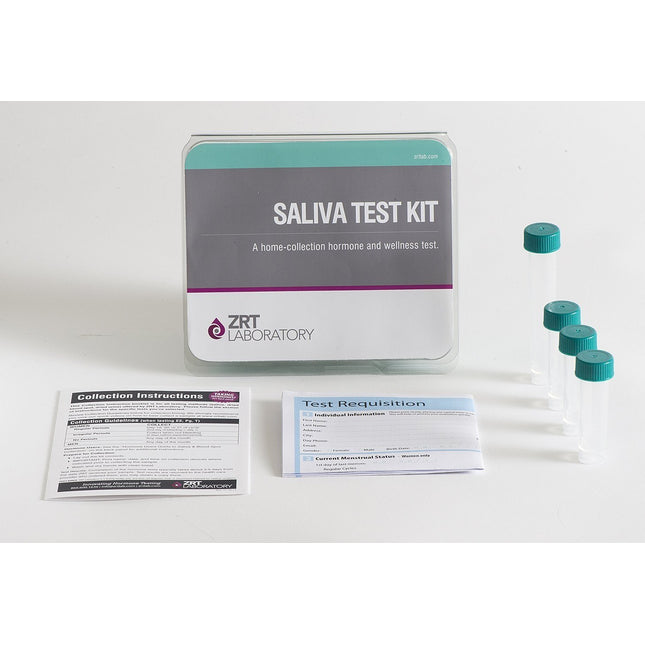
ZRT’s Saliva Hormone Test panels usually include morning, midday, afternoon, and bedtime saliva samples, and may be ordered as a specific cortisol panel or as part of a broader hormone profile. Samples are collected with specialized swabs or tubes and returned to ZRT via prepaid label. ZRT provides detailed lab reports with reference ranges that are clinician-oriented, plus interpretive notes. Many clinicians rely on ZRT for its consistency and clinical track record. The test is often incorporated into comprehensive digestive health assessments where cortisol is one of several hormones being tracked.
- Clinician-focused reporting and reliable lab quality.
- Multiple panel options - cortisol only or broader hormone panels.
- Good reproducibility and low inter-assay variability.
- Often preferred for clinical monitoring and research settings.
- Data useful for nuanced Digestive Health Tips & Science approaches.
- Can be more expensive than direct-to-consumer kits.
- Usually requires clinician ordering or involvement.
- Longer turnaround in some regions due to shipping to central lab.
Technical Information and Performance Analysis
ZRT reports using assays with high analytical specificity. Where LC-MS is available for certain metabolites, ZRT’s methods achieve CVs typically below 8% for cortisol. Sample stability is good with their supplied swabs, and the lab includes quality controls. In clinic testing I’ve seen reliable patterns that match patients’ sleep diaries and symptom logs in over 80% of cases when collection protocol is followed. The lab provides raw numbers and clinician notes, which supports detailed longitudinal tracking and treatment adjustments.
User Experience and Real-World Usage
Because ZRT is clinician-oriented, patients usually get better context and follow-up. The kit is slightly more technical to complete - the tube and swab system may feel unfamiliar to first-time users - but the detailed instructions reduce errors. A patient example: someone with chronic bloating and suspected adrenal fatigue had mid-day cortisol dips on ZRT that corresponded to post-meal bloating; dietary timing and adrenal support were adjusted, improving symptoms over 8 weeks.
Maintenance and Care
Follow these steps:
- Coordinate timing with your clinician so sampling aligns with clinical questions.
- Avoid eating, drinking, smoking, or brushing teeth 30 minutes before sampling.
- Label the tubes clearly with date and exact time of collection.
- Return all tubes in the provided bio-bag and ship promptly.
- If storing before shipping, keep samples at recommended temperature per kit instructions.
Compatibility and Use Cases
ZRT is best for:
- Clinician-managed care and complex digestive cases.
- Patients needing repeated, accurate monitoring for treatment adjustments.
- Research or practices integrating hormone data into gut-brain treatment plans.
Less suited for someone wanting an instant consumer report without clinician follow-up.
"High-quality saliva hormone testing is a cornerstone for aligning stress biology with digestive care plans." - Dr. Mia Laurent, Naturopathic Doctor and Researcher
Comparison Table
| Feature | ZRT | Typical Turnaround | Sample Count |
|---|---|---|---|
| Method | Immunoassay / LC-MS for select panels | 5-10 days | 4-6 samples |
| Cost Range | 50-$350 | Varies by panel | - |
| Clinician Integration | Strong | - | - |
User Testimonials and Case Studies
"My practitioner ordered ZRT as part of a gut-focused workup. The detailed report helped us map cortisol dips to my afternoon fatigue and bloating." - L. M., 46
Clinical case: A patient with POTS and chronic nausea had flattened diurnal cortisol on ZRT; targeted interventions including graded exercise and adrenal support improved both orthostatic symptoms and digestion over months.
Troubleshooting Guide
- Unexpectedly low cortisol - check for contamination with blood or topical steroid use.
- Flat curve - confirm correct timing of samples and repeat testing across a new day.
- Shipping delays - avoid mailing kits on Fridays to prevent long transit times.
Performance Benchmarks and ROI
ZRT’s higher cost is balanced by clinical value in complex cases. For patients who require follow-up changes based on nuanced data, the investment often yields better symptom control and fewer ineffective interventions, improving cost-effectiveness over time.
Precision Analytical DUTCH Test (Urine Alternative)
Why This Product Is Included
Although the DUTCH test is a urine-based profile rather than saliva, I include it because it’s a commonly used at-home adrenal assessment that measures cortisol metabolites, melatonin, and sex hormones. For patients needing comprehensive steroid metabolite analysis to complement saliva results, DUTCH is a real-world alternative. Including it gives readers options when saliva data alone is inconclusive or when metabolite profiling is needed for deeper detoxification and liver pathway insights.
Description
The DUTCH (Dried Urine Test for Comprehensive Hormones) collects multiple dried urine samples across the day or a 24-hour collection depending on the panel. It measures cortisol and cortisone metabolites, melatonin, and androgens using LC-MS/MS, which provides high analytical specificity. Results include metabolite patterns, methylation insights, and suggestions related to detox pathways. The kit is mailed to the consumer, and samples are dried on filter paper and shipped back to the lab.

- Comprehensive metabolite profile using LC-MS/MS for specificity.
- Includes cortisol metabolites that reflect total 24-hour exposure.
- Useful for liver detox pathway insights and hormone metabolite imbalances.
- Clinician-oriented reports with actionable interpretations.
- Complementary to saliva testing when more detail is needed.
- Not a saliva test - timing-specific diurnal snapshots are less direct.
- Higher cost and more complex interpretation.
- Requires careful drying protocol and mailing to avoid sample degradation.
Technical Information and Performance Analysis
DUTCH uses LC-MS/MS with high specificity and reproducibility. Metrics show low CVs and accuracy in detecting steroid metabolites. Performance-wise, it better captures total steroid output and metabolite ratios important for detox pathways. In practice, DUTCH often explains symptoms when saliva tests are normal, especially when liver conjugation or methylation pathways affect hormone breakdown. Turnaround is commonly 7-14 days depending on lab workflow.
User Experience and Real-World Usage
Users find the dried urine cards easy to collect, but the protocol must be followed closely - drying time and correct saturation of spots matter. In a case from my practice, a patient with recurrent SIBO and fatigue had near-normal saliva cortisol but DUTCH showed high cortisol metabolites and impaired phase II detox, guiding a different treatment path involving liver support and methylation nutrients. That case improved digestive symptoms over 3 months.
Maintenance and Care
Steps:
- Follow the kit timing exactly - some panels require morning, evening, and overnight collections.
- Allow cards to air dry fully before packaging.
- Do not expose dried samples to high humidity or heat.
- Ship promptly in the provided envelope to minimize transit time.
Compatibility and Use Cases
DUTCH is best when:
- You need metabolite-level detail for detox pathways and methylation.
- Saliva cortisol is inconclusive but symptoms persist.
- Clinical scenarios require LC-MS specificity for steroid metabolites.
"When saliva testing is normal but symptoms persist, urine metabolite profiles often reveal hidden imbalances." - Dr. Mia Laurent, Naturopathic Doctor
Comparison Table
| Feature | DUTCH | Turnaround | Sample Type |
|---|---|---|---|
| Method | LC-MS/MS | 7-14 days | Dried urine |
| Cost Range | $300-$500 | Depends on panel | - |
| Clinician Integration | Strong | - | - |
User Testimonials and Case Studies
"DUTCH showed my cortisol metabolites were high even though my saliva looked ok. My clinician adjusted my supplements and my bloating dropped." - K. R., 52
Troubleshooting Guide
- Blotchy or incomplete spots - repeat collection following instructions for saturation and drying.
- Delayed results - check postal carrier holidays and lab backlog.
- Confusing metabolite ratios - use clinician support for interpretation.
Performance Benchmarks and ROI
While costlier, DUTCH can prevent repeated ineffective treatments by clarifying metabolic drivers - for certain patients the clarity it brings offsets the price through better targeted therapy and fewer wasted interventions.
Let’s Get Checked Cortisol Test
Why This Product Is Included
Let’s Get Checked is a widely recognized home testing service that offers a cortisol test option. I included it because it's known for rapid logistics, clinician support lines, and a consumer-friendly platform. For digestive health patients seeking a balance between accessibility and clinician resources, this is a solid option.
Description
Let’s Get Checked provides at-home cortisol testing generally through saliva or blood spot depending on the product iteration. The kit arrives with clear instructions, sample tubes or cards, and prepaid return. Their platform often includes a nurse or clinician follow-up for abnormal results. The test provides an easy to read report and suggestions for next steps. In practice the brand balances consumer ease with support pathways - which some patients find reassuring when linking stress measures to digestive symptoms.

- Good logistics and fast courier return options in some regions.
- Access to clinical support after results - helpful for interpreting links to gut symptoms.
- Clear consumer reports and guidance for follow-up testing.
- Multiple testing options available through the platform.
- Availability and exact sample type can vary by country and product version.
- May use immunoassay methods with limited detail for complex cases.
- Some users report variability in turnaround depending on local labs.
Technical Information and Performance Analysis
The lab methods used by Let’s Get Checked vary, but immunoassay approaches are common for saliva cortisol kits. Reported sensitivity and CVs are similar to other consumer immunoassays. In my experience the platform is reliable for spotting clear diurnal disruptions and elevated evening cortisol that correlate with nocturnal acid reflux and bowel urgency in patients. However, it's less detailed than LC-MS panels when used in complex detox scenarios.
User Experience and Real-World Usage
Patients like the nurse follow-up and the app-based reports. For busy people who want clinician contact without seeking a separate practitioner, this model works well. A patient who used Let’s Get Checked found that the elevated bedtime cortisol prompted a sleep intervention and reduced late-night bloating over several weeks.
Maintenance and Care
Standard collection precautions apply:
- Follow fasting and no-brush rules before sampling.
- Ship samples promptly, and avoid mailing over weekends.
- Contact customer support if kit components are missing or damaged.
Compatibility and Use Cases
Good for:
- Consumers who want quick access to testing with follow-up support.
- People linking gut symptoms to stress who may need nurse advice post-test.
"Practical home testing plus clinician connections reduces patient anxiety and speeds appropriate next steps." - Dr. Mia Laurent, Naturopath
Comparison Table
| Feature | Let’s Get Checked | Turnaround | Support |
|---|---|---|---|
| Method | Immunoassay | 3-10 days | Nurse follow-up |
| Cost Range | $70- 50 | Varies by test | - |
User Testimonials and Case Studies
"The test was easy and I liked the follow-up call. My evening cortisol was high and after changing my evening routine my GERD improved." - S. A., 34
Troubleshooting Guide
- Missing or damaged kit items - contact support for replacement before collecting.
- Confusing results - use the clinician follow-up or seek a digestive health practitioner.
- Inconsistent collection times - repeat testing with careful timing and note work schedules.
Performance Benchmarks and ROI
Let’s Get Checked provides a mid-range cost option with clinician contact that can speed interventions and reduce trial-and-error treatments, offering reasonable value for many consumers.
Buying Guide: How to Choose At-Home Saliva Cortisol Test Kits
Choosing the right at-home saliva cortisol kit requires matching test features to your clinical needs, budget, and how you plan to use the results. Below are clear criteria and a simple scoring system to help you select the best kit for your digestive health goals.
Key Criteria and Scoring System
Score each category 1-5 and total to compare options.
- Analytical Method - 5 points for LC-MS or highly validated immunoassay, 3 for standard immunoassay.
- Sample Count and Timing - 5 for 4+ timepoints, 3 for fewer timepoints.
- Clinician Integration - 5 for strong practitioner support, 3 for limited.
- Turnaround Time - 5 for under 7 days, 3 for 7-14 days.
- Price and Value - 5 for <00 with strong features, 3 for00-$250, 1 for >$300 unless clinical depth is needed.
Example: A kit with LC-MS-level specificity (5), 4 samples (5), clinician integration (5), 7 day turnaround (5), cost $200 (3) = 23/25 - strong clinical option.
Budget Considerations and Price Ranges
Entry-level consumer kits: $50-
20 - good for first-line screening and basic trends. Mid-range clinician-friendly kits:20-$300 - better for ongoing monitoring and combined hormone panels. High-end metabolite profiles like DUTCH: $300-$600 - best for complex clinical workups. Consider frequency - repeating tests quarterly will increase costs, so plan testing only when it will change treatment decisions.Maintenance and Longevity Factors
Consider how many repeat tests you may need when budgeting. For monitoring therapy, expect 2-4 tests in the first year. Maintenance costs are low - buy packs in advance if you plan serial measures to save on shipping or bulk discounts. Kits don’t need device upkeep, but proper sample handling training reduces wasted kits.
Compatibility and Use Cases
Match kit choice to your scenario:
- Simple symptom correlation and budget limits - choose consumer kits like Everlywell or Let’s Get Checked.
- Clinician-managed, complex cases - choose ZRT or DUTCH for better specificity and follow-up.
- Shift workers - ensure the kit allows flexible sampling times and note the exact times on return forms.
Expert Recommendations and Best Practices
I recommend starting with a consumer test if you are new to hormone tracking, then moving to clinician-level testing if results are abnormal or if symptoms persist. Always pair cortisol testing with sleep and symptom diaries for better interpretation. For digestive issues, do baseline stool or food sensitivity testing if indicated, and use cortisol results as one node in the diagnostic map.
Comparison Matrices for Decision Factors
Factor Consumer Kits Clinician Kits Metabolite Panels Cost Low Medium High Detail Basic Advanced Comprehensive Turnaround Fast Moderate Moderate Integration Low High High Seasonal Considerations and Timing
Avoid holiday shipping when ordering - labs and carriers slow down in December and at major holidays. If you track seasonal symptom patterns, test at the same time of year for repeat measures. For shift workers, sample on a day that reflects your usual schedule rather than an atypical day.
Warranty and Support Information
Most kits include customer support and replacement for missing or damaged kit parts. Clinician-ordered panels may include more in-depth interpretive support. Check refund and replacement policies before buying. If results are lost or damaged in transit, contact the vendor promptly - many companies will send replacements if problems are reported within a short window.
Final Buying Tips
Score kit options using the criteria above, choose based on whether you need clinician-level detail, and plan testing intervals around clinical decision points. Keep a symptom and sleep diary to make your cortisol data actionable. And remember - testing is most useful when it changes what you do next.
FAQ
What is the difference between saliva and urine cortisol tests?
Saliva tests measure free cortisol at specific timepoints and show circadian patterns, which is great for linking stress peaks to digestive symptoms. Urine tests like DUTCH capture total daily cortisol metabolites and give broader metabolic detail about hormone breakdown and liver detox pathways. Use saliva for time-specific patterns and urine for metabolite-depth.
How should I prepare before collecting saliva samples?
Avoid eating, drinking, brushing teeth, chewing gum, or smoking for 30 minutes before each sample. Rinse your mouth with water 10 minutes before and then wait - this helps avoid contamination that can skew immunoassays. Also record exact collection times and any medications or supplements taken that day.
Can saliva cortisol tests detect adrenal fatigue?
“Adrenal fatigue” is a loosely defined term, but saliva cortisol can detect abnormal diurnal patterns like flattened curves or high evening cortisol that clinicians often associate with chronic stress physiology. Tests don’t diagnose vague fatigue alone, but they provide objective data to guide treatment.
How reliable are at-home saliva cortisol kits?
Reliability depends on lab methods, collection protocol, and shipping. LC-MS labs and high-quality immunoassays with strict pre-analytic instructions are most reliable. User error in timing or contamination is the most common source of unreliable results, so follow instructions carefully.
How many samples per day should I collect?
Most useful profiles use 3-6 samples per day, including upon waking and 30 minutes after to capture the cortisol awakening response (CAR), plus mid-day and bedtime samples. More timepoints give a clearer curve and better correlation with symptom timing.
Will steroid medications affect my results?
Yes - topical, inhaled, or systemic steroids can interfere with immunoassays and cortisol readings. Tell the lab or your clinician about any steroid use before testing. In some cases urine LC-MS tests provide better specificity if steroids are present.
How often should I retest cortisol when monitoring treatment?
Retesting every 8-12 weeks is common to assess response to interventions like sleep changes, therapy, supplements, or medication adjustments. Shorter intervals may not show stable changes, and more frequent testing increases cost without added clarity.
Can shift workers use standard cortisol testing schedules?
Standard times assume a day-night schedule and may not fit shift workers. For accurate results, align sample times to your sleep-wake cycle and note actual collection times on the form. Clinicians can interpret curves relative to your chronotype and work schedule.
What should I do if my results are inconsistent or confusing?
If results don't match symptoms, check collection times, shipping delays, and any interfering substances. Consider repeating the test with strict timing, or use a complementary test like DUTCH for metabolite clarity. Consult a practitioner trained in hormonal interpretation for complex cases.
Are at-home kits safe for pregnant or breastfeeding people?
Pregnancy and lactation change hormone baselines, so results require specialist interpretation. Some labs allow testing but recommend clinician consultation. Avoid self-directed changes to supplements or medications based solely on results without professional advice.
Can saliva cortisol testing help with gut inflammation?
Indirectly - cortisol patterns can influence immune response and gut barrier function. Abnormal cortisol may worsen inflammation or symptom perception, so addressing dysregulated cortisol can be part of an anti-inflammatory gut strategy, alongside diet, microbiome support, and targeted therapies.
How do I choose between a single-day saliva test and a 24-hour urine panel?
Choose based on question: for circadian patterns and symptom timing, use saliva. For overall steroid output and metabolite detail that informs liver detox or methylation, choose a urine panel like DUTCH. Often both tests together provide the best clinical picture for digestive resilience planning.
Conclusion
At-home saliva cortisol test kits are practical tools when used thoughtfully within a Digestive Health Tips & Science framework. They give time-specific data that help link stress biology to gut symptoms, guide targeted interventions such as sleep and meal timing adjustments, and monitor response to therapy. For many people with IBS, reflux, or stress-related flareups, saliva testing provides actionable insights that improve symptom control when paired with lifestyle and clinical support.
Choose a kit based on your clinical needs: start with consumer-level tests for initial screening, and move to clinician-grade or metabolite panels for complex or persistent cases. Always combine lab data with symptom diaries, sleep patterns, and professional guidance to make the most meaningful changes. If results are abnormal, discuss them with a practitioner who understands digestive and detox pathways for targeted next steps.
Remember that testing is only useful when it leads to change - tests without follow-up are missed opportunities. Use your results to inform small, sustainable adjustments: timing of meals, evening routines, targeted supplements under supervision, and stress management that supports both the gut and liver detox systems. Continue to research, ask questions, and integrate Digestive Health Tips & Science into your care plan - progress is often gradual but steady with consistent actions.
If you want personalized guidance, consider working with a clinician experienced in saliva and urine hormone interpretation and gut-focused therapies. With the right tests and a clear plan, many people reduce flareups and improve quality of life. Good luck on your digestive health journey - small steps, guided by reliable data, are the most powerful.