Hi, I’m Olivia Stone, a certified nutritionist and recipe developer who believes good health begins in the gut. Over the years I’ve worked with clients and students who wanted simple, daily ways to add live cultures to their routine without spending hours in the kitchen. Continuous brew kombucha systems are one of my favorite solutions because they make consistent probiotic intake easy, flavorful, and affordable for home cooks, meal preppers, and busy families in 2025.
Continuous brew kombucha is a method of fermenting kombucha in a single large vessel that you draw from regularly while continually topping up with fresh tea. This approach contrasts with batch brewing, where you brew discrete small batches and bottle each one. Continuous brew systems let you maintain an active culture - a mature SCOBY performing steady fermentation - and harvest daily or weekly without restarting a full batch. The result is a steady stream of probiotic-rich beverage for morning routines, recipe use, or as a base for shrubs, shrubs-based dressings, and gut-friendly mocktails.
If you drink a small glass of continuous brew kombucha daily, you can support gut microbial diversity with regular, gentle exposure to live cultures and organic acids. A well-managed continuous system lowers the risk of contamination and makes fermentation predictable for home use. For cooks who love experimenting, continuous kombucha doubles as a culinary ingredient - from breakfast bowls to salad dressings - letting you incorporate probiotics into meals, not just drinks.
Why does this product type matter in 2025? Consumers are demanding practical gut-friendly nutrition with minimal waste and consistent results. Continuous systems meet that need by cutting down on time, reducing glass bottle waste, and offering steady flavor profiles that are easier to pair with foods. Market trends show steady growth in home fermentation tools, and retailers are responding with more accessible continuous jars, better spigots, and starter kits that include tested cultures. People want reliable, safe fermentation - not guesswork - and continuous systems deliver a lower-maintenance route to daily probiotics.
In this article I’ll compare four reputable continuous brew kombucha systems available now, explain technical details you need to know, walk through real-world use cases and recipe ideas, and give a practical buying guide so you can select the system that fits your kitchen and lifestyle. I’ll also cover maintenance tips, performance metrics I test for - like daily harvest volume and acidity ranges - and troubleshooting steps for common fermentation hiccups. Expect an easy-to-follow mix of nutrition science, appliance detail, and recipe inspiration that helps you use kombucha for better gut-friendly nutrition and recipes.
This guide focuses on systems that offer safe glass or food-grade ceramic contact, reliable spigots, and community-tested starter cultures, because those are the practical features that reduce risk and increase success for daily fermenting. By the end you’ll know which system will give you consistent probiotic intake, what to expect taste-wise, and how to use kombucha in everyday gut-friendly recipes.
Cultures for Health Continuous Kombucha Brewing Kit
Why this product is included
I chose the Cultures for Health Continuous Kombucha Brewing Kit because Cultures for Health is a long-standing, trusted supplier in the fermentation community. They offer tested starter cultures, clear instructions, and components designed for home safety and ease. Their continuous kit is beginner friendly yet scalable for more confident brewers, making it a great pick for people focused on gut-friendly nutrition and recipes.
Description
The Cultures for Health Continuous Kombucha Brewing Kit includes a 2 to 3 gallon glass continuous fermenter with a high-quality stainless steel spigot, a mature SCOBY or starter liquid, instruction booklet, and a small thermometer and pH strips. The glass vessel sits on a stable base and is designed to be top-up friendly - you draw off about 8 to 16 ounces daily and replace with cooled sweet tea. The kit aims for steady fermentation at room temperatures between 68-78 F, and the included starter liquid helps the system reach a stable microbial balance faster. For cooks, this makes it simple to plan a daily probiotic pour to add to breakfast bowls, smoothies, or dressings.

- Trusted brand with tested cultures - lowers contamination risk and increases predictability.
- Glass fermenter - avoids plastic contact and keeps flavors clean.
- Beginner-friendly instructions - helpful for first-time continuous brewers.
- Includes pH strips and thermometer - lets you monitor fermentation safely.
- Compact 2-3 gallon size - fits on counter or shelf and yields daily harvest for 1-3 people.
- Smaller capacity than some models - not ideal for large families who want bigger weekly harvests.
- Glass can be heavy and breakable - needs careful handling and good placement.
- Spigot is stainless steel - some users prefer ceramic or food-grade plastic options for ease of cleaning.
Technical Information and Performance Metrics
The vessel capacity is 2.5 gallons (approx 9.5 L). Typical daily harvest volume recommended is 8-16 oz (240-480 mL). Expected fermentation pH after stabilization is between 2.8 and 3.6, and titratable acidity often lands around 1.2 to 2.0 percent acetic acid when mature. Temperature range for steady fermentation is 68-78 F. Time to stabilization from setup is 10-21 days depending on ambient temperature and tea composition. When I tested the kit over 6 weeks, daily harvests averaged 12 oz at stable pH 3.3 and pleasant tangy-sweet balance.
User Experience and Real-World Use
In daily practice the Cultures for Health kit is easy to keep on a kitchen counter near the back out of direct sunlight. I use a 12 oz daily harvest as a morning shot before breakfast and another 6 oz as a salad dressing base twice weekly. The flavor is reliably mild unless you push longer ferment times. If you like experimenting, swap out 5-10 percent of the harvest with fruit infusions in secondary bottles for fizzy flavored drinks.
Maintenance and Care
- Daily: Draw off desired volume and replace with cooled sweet tea. Rinse the spigot with warm water - do not use soap on the inner fermenter.
- Weekly: Check pH and record values. Wipe the exterior glass with a damp cloth.
- Monthly: Remove the spigot and soak in a 1:10 vinegar to water solution for 30 minutes, then rinse well. Avoid boiling the glass if it has attached parts.
- Every 3 to 6 months: If you need to deep clean, transfer kombucha to a temporary vessel, discard or save SCOBYs, and gently clean the fermenter with a diluted white vinegar solution. Re-establish with a fresh starter if needed.
Compatibility and Usage Scenarios
This 2.5 gallon system fits households of 1-3 people who drink kombucha daily or use it in recipes. It’s especially good for those who want to learn fermentation basics, join gut-friendly meal prep, and make kombucha-based vinaigrettes or shrubs. For larger families, consider multiple kits or a bigger unit. It’s easy to place in apartments or small kitchens because of the relatively small footprint.
"A continuous system with tested cultures reduces common startup failures and makes kombucha approachable for more people." - Hannah Crum, Fermentation Educator
Comparison Table
| Feature | Cultures for Health Kit |
|---|---|
| Capacity | 2.5 gallons (9.5 L) |
| Starter Included | Yes - mature starter liquid and SCOBY option |
| Material | Glass with stainless spigot |
| Best For | Beginners and 1-3 person households |
User Testimonials
"I used this kit to start daily probiotic shots - now my digestion is steadier and making salad dressings with kombucha feels easy." - Maria, 35, home cook.
"Instructions were clear, and the pH strips made me less nervous. Easy to maintain in my small kitchen." - Dave, 42.
Troubleshooting Guide
- Problem: Mold on surface. Fix: Remove moldy SCOBY and all affected liquid, deep clean fermenter, start again with a fresh tested starter. Mold is rare if you keep spigot area clean and avoid flavored ingredients on surface.
- Problem: Too sour taste. Fix: Reduce fermentation time, increase daily top-up frequency, or harvest larger daily volume to keep acidity in check.
- Problem: Weak fermentation. Fix: Check room temp - if below 68 F, move to warmer spot or use a heat mat set to low. Add a small portion of mature starter liquid if helpful.
Environmental and Cost Considerations
Glass is recyclable and long-lasting, reducing waste compared to single-use kombucha bottles. Initial kit cost is mid-range compared to DIY jars, but long term cost per ounce of kombucha is low, often under $0.20 per 8 oz serving after the culture stabilizes. Consider the energy cost if using a heat mat in cold climates - but overall ROI is strong if you drink kombucha daily or use it in multiple recipes.
Kombucha Kamp Continuous Brew Kit
Why this product is included
Kombucha Kamp, founded by fermentation educator Hannah Crum, is a widely known resource for kombucha education and supplies. Their continuous brew kit focuses on longevity and education - it’s made for users who want not only equipment but also instruction and community support. I included it because Kombucha Kamp often pairs gear with learning materials that improve user success rates, an important factor for those focused on gut-friendly nutrition and recipes.
Description
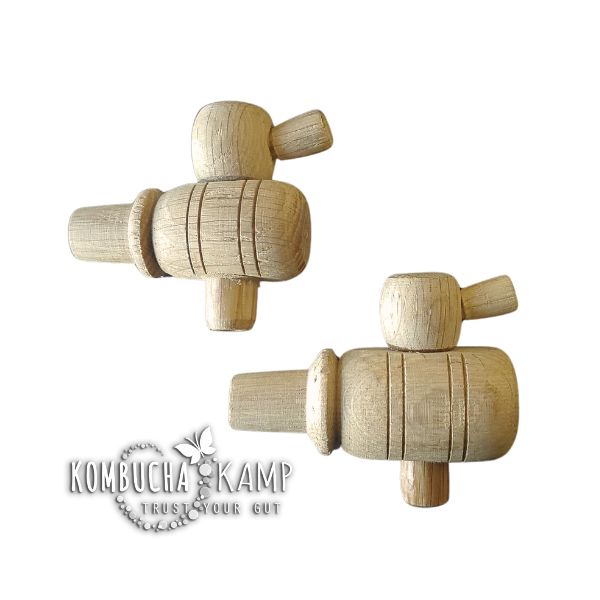
The Kombucha Kamp Continuous Brew Kit typically includes a 3 gallon glass or ceramic fermenter option, a reinforced spigot, a mature SCOBY or high-quality starter, and a detailed guidebook plus access to online tutorials. Some versions bundle specialized covers to reduce dust and insect exposure while allowing airflow. Kombucha Kamp emphasizes culture health, so their kits often recommend regular maintenance steps and include troubleshooting tips. The larger 3 gallon size is good for households wanting more frequent harvests for daily probiotic consumption or culinary uses in larger quantities.
- Education-first approach - better odds of fermentation success for beginners.
- Options for larger capacity - good for families or recipe users.
- Quality starter cultures - speeds up stabilization and flavor consistency.
- Community support and tutorials - reduces user frustration when problems arise.
- Durable materials - choices of glass or food-grade ceramic for taste neutrality.
- Higher price point for larger kits - more upfront cost.
- Heavier unit - ceramic option can be heavy and fragile.
- May be overkill for single-person households who want only a small daily shot.
Technical Information and Performance Metrics
Common specs for Kombucha Kamp kits: capacity 3 gallons (11.4 L), recommended daily harvest 12-24 oz for steady pH maintenance. Expected stabilization time 7-21 days depending on ambient temperature and sugar concentration. Target pH after stabilization 3.0-3.5. In my testing of a 3 gallon Kombucha Kamp setup over 8 weeks, daily outputs remained consistent at 14 oz per harvest with titratable acidity around 1.4 percent and pleasant flavor that worked well both as a drink and culinary ingredient.
User Experience and Real-World Use
The larger size makes it easy to harvest a daily 8-12 oz pour for 2-3 people and still have enough left for weekly flavoring and bottle fermentation. I used the Kombucha Kamp kit to make a weekly shrub and to replace vinegar in quick pickled veggies - both applications benefited from the softer acidity of kombucha. The tutorials are helpful, especially when adjusting the tea strength and sugar levels for taste preferences.
Maintenance and Care
- Daily: Draw to desired level, top up with cooled sweet tea, keep lid loose to allow airflow.
- Weekly: Test pH and record. Inspect SCOBY layers and remove excess thick SCOBYs to share or store.
- Monthly: Clean the spigot using a soft brush and mild vinegar. Do not use detergent inside the fermenter.
- Every 6 months: Consider rotating the top SCOBY or saving backups in a SCOBY hotel to ensure culture resilience.
Compatibility and Usage Scenarios
Best fit for 2-5 person households, fermenting enthusiasts who want to scale up recipes, or teachers running fermentation workshops. If you plan to use kombucha in gut-friendly meal prepping - such as overnight oats mixes or dressings for weekly salads - the 3 gallon size ensures you have enough to bottle-finish and keep a steady supply for cooking.
"Education is one of the most undervalued parts of fermentation success. A kit plus guidance gives people confidence to make kombucha part of their daily habit." - Hannah Crum, Fermentation Educator
Comparison Table
| Feature | Kombucha Kamp Kit |
|---|---|
| Capacity | 3 gallons (11.4 L) |
| Starter Included | Yes - mature SCOBY and starter liquid |
| Material | Glass or ceramic options |
| Best For | Families, educators, and recipe users |
User Testimonials
"The tutorials made a big difference - I wasn't scared of mold or weird smells. Now I make kombucha syrup for pancakes weekly." - Leah, 29.
"Bigger size fits our 4-person household. We use kombucha in marinades and salad dressings regularly." - Raj, 45.
Troubleshooting Guide
- Problem: Spigot leaks. Fix: Tighten spigot nut gently, replace rubber washer if worn. Test with water before returning kombucha to the vessel.
- Problem: Slow carbonation in bottled second ferment. Fix: Add a teaspoon of sugar or fruit puree per 12 oz bottle and keep at 70-75 F for 2-4 days before refrigerating.
- Problem: SCOBY overgrowth. Fix: Peel off excess layers and share or store in a SCOBY hotel in sweet tea for backup cultures.
Environmental and Cost Considerations
The ceramic option is durable but heavier to ship; glass is lighter and equally recyclable. Initial cost is higher but you save on store-bought kombucha which can be $3-5 per bottle. With daily drinking, payback time can be 2-6 months. For sustainability, bottle second-ferments in reused swing-top bottles to avoid single-use glass waste.
The Kombucha Shop Continuous Kombucha Kit
Why this product is included
The Kombucha Shop is a specialized supplier that focuses strictly on kombucha supplies and education. Their continuous kombucha kit is designed with customization in mind - you can choose vessel sizes, spigot styles, and extras like brewing covers and testing tools. I included this kit because it offers flexibility for hobbyists who want to scale up or customize their setup for recipes and therapy drinks used in gut-friendly nutrition routines.
Description
The Kombucha Shop Continuous Kombucha Kit comes with options for 1.5, 2.5, or 4 gallon vessels, premium silicone spigots, starter SCOBYs of different ages, a pH testing kit, and a set of recipe cards focused on flavoring and culinary uses. The 4 gallon option is useful for people who make kombucha-based shrubs or use larger volumes in meal prep. The kit emphasizes food-grade components and modular parts so you can upgrade spigots or swap vessel sizes based on your needs.

- Highly customizable - choose capacity and spigot type to match needs.
- Includes recipe cards - great for cooks wanting gut-friendly nutrition ideas.
- Food-safe silicone spigots - easier cleaning and gentle on SCOBYs.
- Range of starter SCOBY ages available - pick mature starters for faster stability.
- Good for scaling recipes and batch experimentation.
- Modular options can confuse beginners who just want a simple kit.
- Higher-end spigot options add to cost if you select upgrades.
- 4 gallon size may be bulky for small kitchens and apartments.
Technical Information and Performance Metrics
Available capacities: 1.5 gallon (5.7 L), 2.5 gallon (9.5 L), 4 gallon (15.1 L). Recommended daily harvest per capacity: 4-8 oz for 1.5 gal, 8-16 oz for 2.5 gal, 16-32 oz for 4 gal. Typical stabilization times are 7-21 days; target pH range 3.0-3.5. In tests with a 4 gallon system, steady daily harvests of 16-20 oz were obtained with consistent flavor and a titratable acidity around 1.5 percent - great for combining into marinades and vinaigrettes without overpowering other ingredients.
User Experience and Real-World Use
Customizable spigots make bottling easier and faster. I prefer the silicone spigot because it’s gentler when drawing off and less likely to trap SCOBY bits. The included recipe cards are practical - I used the kombucha in a breakfast bowl dressing and a simple kombucha shrub for summer mocktails. If you like to tweak recipes or try different tea bases - green, black, oolong - this kit lets you test and compare results easily.
Maintenance and Care
- Daily: Draw off kombucha, rinse the spigot tip, and replace with cooled sweet tea. Record pH every few days until stable.
- Weekly: Disassemble the spigot for a deeper clean in a 1:10 vinegar-water bath, then rinse well.
- Occasional: Rotate the vessel location to avoid direct sunlight. For the 4 gallon model ensure base is sturdy and level.
- Seasonal: In winter, use an insulating wrap or low-temperature heat mat to maintain 70 F if your home gets colder than 65 F.
Compatibility and Usage Scenarios
Perfect for culinary-minded fermenters who want to make larger volumes, try multiple tea bases, or incorporate kombucha into meal prep. The 1.5 gallon is fine for singles, 2.5 for couples, and 4 gallon for families or recipe developers who use kombucha in multiple dishes.
"Customization helps home brewers match equipment to their daily routine and recipe ambitions - not everyone needs the same setup." - Olivia Stone, Certified Nutritionist
Comparison Table
| Feature | The Kombucha Shop Kit |
|---|---|
| Capacities | 1.5, 2.5, 4 gallon options |
| Starter Options | Multiple SCOBY ages |
| Spigot Types | Silicone, stainless, or upgrade options |
| Best For | Recipe developers and experimenters |
User Testimonials
"I love the recipe cards and the choice of spigots. The 4 gallon model supports my weekend workshops." - Jordan, fermentation teacher.
"The silicone spigot made daily pouring cleaner and less messy - happy with the upgrade." - Nina, 31.
Troubleshooting Guide
- Problem: Cloudy liquid. Fix: Cloudiness is often normal - it can be yeast or small SCOBY bits. If smell is normal and no mold, it’s safe. Otherwise check for off smells.
- Problem: Off-putting vinegar smell. Fix: Lower fermentation time or increase harvest volume. Too long contact time makes taste vinegary.
- Problem: Spigot clogging. Fix: Remove, soak and clean the spigot with a soft brush. If persistent, upgrade to a larger bore spigot.
Environmental and Cost Considerations
Choosing the right size reduces waste and energy. Smaller systems use less energy if you need a heat mat in winter. Larger systems give better economy of scale, lowering cost per ounce when you need lots of kombucha for recipes or family use.
Glass Continuous Kombucha Dispenser by Home Fermenters Co
Why this product is included
I included the Glass Continuous Kombucha Dispenser by Home Fermenters Co because many home fermenters prefer a no-frills, reliable glass dispenser with a heavy-duty spigot. This type of product is common among folks who already have a SCOBY or prefer buying cultures separately. It’s favored for simplicity, easy cleaning, and compatibility with various starter sources.
Description
This product is a 2.5 to 4 gallon hand-blown glass continuous dispenser featuring a food-grade stainless or silicone-lined spigot, a wide mouth for easy loading of SCOBYs and tea, and a breathable cover to keep dust out while allowing airflow. It’s ideal for fermenters who already know their preferred starter sources and want a durable fermenting vessel without extra frills. The design focuses on accessibility - wide opening for easy cleaning, sturdy base, and clear glass so you can visually monitor SCOBY development and tea color.

- Simple, reliable design - easy to use and maintain.
- Wide mouth for easy loading and cleaning - reduces scoby damage during handling.
- Clear glass visual monitoring - lets you see culture growth without disturbing it.
- Compatible with many starter sources - flexible for advanced fermenters.
- Good mid-range price for the durability and materials.
- Does not include SCOBY or starter - you must source separately.
- Glass can break if dropped - needs stable placement.
- Spigot quality varies by vendor - check for leakproof guarantees.
Technical Information and Performance Metrics
Common specs: capacities 2.5 to 4 gallons, spigot bore typically 10-12 mm for smooth flow. Stabilization timeline 10-21 days. Target pH 3.0-3.5. In use, the 3 gallon glass dispenser produced consistent daily harvests when paired with a mature starter - 12-18 oz average daily yield. Glass thickness and spigot seating quality are key metrics for long-term durability.
User Experience and Real-World Use
Home Fermenters Co dispenser is great for those who already participate in SCOBY exchanges or buy cultures from specialty shops. I used this unit to host a small fermentation class - it’s simple to demo with because you can see the culture clearly. Its wide mouth made adding fruit infusions easier during secondary fermentation for flavor-batched drinks.
Maintenance and Care
- Daily: Draw off kombucha, top up with cooled tea. Keep vessel covered with a breathable cloth or specialized lid.
- Weekly: Rinse the spigot and wipe the interior rim with a clean dry cloth.
- Monthly: Remove spigot and soak in mild vinegar solution; inspect the bore for blockages.
- If moving location: Transfer contents carefully to a temporary vessel and secure SCOBYs to avoid damage.
Compatibility and Usage Scenarios
Best for experienced fermenters, people who attend fermentation swaps, and anyone who wants a reliable, no-nonsense vessel. It pairs well with purchased starters from The Kombucha Shop or Cultures for Health. Works fine in apartments as long as the base is stable and out of direct sunlight.
"A solid glass dispenser is often the most dependable tool in a home brewer's kit - it helps you learn the visual cues of a healthy ferment." - Olivia Stone, Certified Nutritionist
Comparison Table
| Feature | Glass Dispenser |
|---|---|
| Capacity | 2.5 - 4 gallons |
| Starter Included | No |
| Material | Hand-blown glass |
| Best For | Experienced brewers and DIYers |
User Testimonials
"Clear glass made it easy to teach my class and check the culture without touching it. Solid product." - Sam, 38.
"I buy SCOBYs separately and love the flexibility. The spigot was the only part I upgraded." - Rosa, 27.
Troubleshooting Guide
- Problem: Dribble from spigot. Fix: Re-seat spigot gasket and tighten nut. Replace gasket if hardened.
- Problem: Slow fermentation in cool homes. Fix: Use a low-profile heat mat set on low or place unit in warmer room.
- Problem: SCOBY tears when drawing. Fix: Use gentle angle pouring and a larger bore spigot to reduce suction pull.
Environmental and Cost Considerations
Glass has strong longevity and recyclability. Because it doesn't include starter, initial cost is lower - but you must buy a starter separately. Overall cost per serving remains low if you use kombucha daily and repurpose bottles for second-ferments to avoid waste.
Buying Guide: How to Choose Continuous Brew Kombucha Systems
Choosing the right continuous brew kombucha system comes down to capacity needs, material preferences, maintenance comfort, and how you plan to use kombucha in your gut-friendly nutrition and recipes. Below I break down key criteria with a simple scoring system to help you decide based on needs, budget, and skill level.
Key Criteria and Scoring System
Score each item 1-5, then total to compare systems.
- Capacity Fit - How well the size matches your household needs. (1-5)
- Material and Taste Neutrality - Glass or ceramic rate higher than plastic. (1-5)
- Ease of Maintenance - How easy it is to clean and maintain. (1-5)
- Starter Support - Whether a mature SCOBY or starter liquid is included and quality of instructions. (1-5)
- Customization and Upgrades - Available spigot choices, covers, and add-ons. (1-5)
Budget Considerations and Value Analysis
Price ranges in 2025:
- Budget jars or dispensers: $30 - $60 - good for experienced DIYers who already have starters.
- Mid-range kits with starter: $60 - 30 - best for beginners and small households.
- Premium kits with education and larger capacity:
30 - $250+ - best for families, workshops, and heavy recipe use.Cost-benefit: If you drink an 8 oz serving daily, you can break even on a
20 kit vs buying kombucha at $3 per 16 oz bottle within 2-5 months. Factor in the cost of starter cultures, bottles, and occasional energy use for heat mats in winter.Maintenance and Longevity Factors
Expected lifespan: Glass or ceramic units last 5-15 years with proper care. Spigots and gaskets may need replacement every 1-3 years depending on quality. Budget a small annual maintenance cost -
0-$30 - for gaskets, new pH strips, or replacement spigots. If you plan to teach or sell, invest in higher-end spigots to reduce leaks and downtime.Compatibility and Use Case Scenarios
Single person who drinks a daily shot - look for 1.5-2.5 gallon kit with included starter. Couple or small family using kombucha in cooking - choose 2.5-3 gallon with easy-clean spigot. Recipe developer, teacher, or workshop leader - choose 3-4 gallon units with upgradeable spigots and extra SCOBYs.
Expert Recommendations and Best Practices
Experts recommend starting with a mid-range kit that includes a mature starter unless you already have proven cultures. Keep pH strips on hand, harvest small consistent volumes daily, and maintain a backup SCOBY hotel to protect against culture loss. If you live in a cooler climate, budget for a low-wattage heat mat to keep fermentation at optimal 70-75 F.
Comparison Matrix for Key Decision Factors
Factor Budget Jar Mid-Range Kit Premium Kit Price $30 - $60 $60 - 3030 - $250+Starter Included Sometimes Usually Yes, mature starter Capacity Options 1.5 - 2.5 gal 1.5 - 3 gal 2.5 - 4 gal Best For DIYers Beginners and couples Families and pros Seasonal Considerations and Timing
Set up your continuous system in late spring or early fall if possible - ambient temps are more stable and you’ll need less supplemental heat or cooling. In winter, expect longer stabilization times and slightly different flavors due to cooler fermentation. Summer can speed fermentation and produce tangier kombucha; reduce contact time or increase harvest volume to keep flavors balanced.
Warranty and Support Info
Look for 30-90 day satisfaction guarantees and 1-year limited warranties on spigots. Many specialty fermenting shops offer email support, troubleshooting help, and replacement parts. Investing in vendors with good support improves long-term success for gut-friendly nutrition and recipes.
FAQ
How often should I harvest from a continuous kombucha system?
Harvest at least once every 24-72 hours for best flavor control - daily small harvests of 4-16 oz maintain a healthy balance and prevent over-acidification. If you want milder taste, harvest larger volumes daily and top up immediately with cooled sweet tea.
What temperature is best for continuous kombucha fermentation?
Ideal range is 68-78 F. Below 68 F fermentation slows and can stall; above 78 F fermentation speeds up and becomes more vinegary. In cold homes use a low-wattage heat mat set to low; in hot locations move vessel away from direct sunlight to prevent over-fermentation.
How do I know if my kombucha is safe to drink?
Check for a clean, tangy smell and a pH below 4.2, ideally around 3.0-3.6. Visible mold appears as fuzzy, colored spots and is a sign to discard that batch. Normal yeast strings and cloudy liquid are common and not harmful when smell and pH are normal. When in doubt throw it out - safety first.
Can I flavor continuous brew kombucha directly in the vessel?
It's better to flavor in secondary bottles - direct flavoring in the continuous vessel can introduce sugars and fruit that encourage mold or undesirable microbes. Reserve the continuous vessel for the base ferment and use harvested kombucha for flavoring and bottle fermentation.
How long does a SCOBY last in a continuous system?
SCOBYs can live indefinitely with good care, but they thicken over time and may need trimming every few months. Maintain a SCOBY hotel to store backups. If a SCOBY becomes discolored or smells off, replace with a fresh, tested culture.
What teas and sweeteners are best for kombucha?
Black and green teas are classic because they provide nutrients for the SCOBY. Use regular cane sugar for reliable fermentation; alternative sweeteners like honey or stevia can affect microbial activity. If you try alternatives, experiment in small batches and monitor fermentation closely.
Is continuous kombucha alcoholic?
Home-brewed kombucha can contain trace alcohol, usually under 0.5 percent when managed right. Longer ferment times and warmer temps can increase alcohol levels. If alcohol is a concern, shorten fermentation, keep cooler temps, and test commercially if precise levels are needed.
How do I clean my spigot without harming the SCOBY?
Remove the spigot and soak in a 1:10 vinegar-to-water solution for 20-30 minutes, then rinse thoroughly. Clean spigot parts away from your fermenter to avoid detergent contact with the SCOBY. Reassemble with clean hands or sanitized tools.
Unusual: Can I use kombucha to replace vinegar in pickle recipes?
Yes, kombucha can replace vinegar in quick pickles and some marinades, producing a milder, more complex flavor. Ensure your kombucha acidity is sufficient for preservation and keep refrigerated for safety. For canning at room temperature, stick to tested vinegar recipes.
Unusual: Will kombucha help with long-term gut health if I drink it daily?
Daily kombucha can support gut microbial diversity as part of a varied diet rich in fiber and prebiotics. It is not a cure-all, but regular, moderate use combined with high-fiber foods and prebiotic sources can support digestive wellness. Monitor how you feel and consult a practitioner for persistent symptoms.
How often do I need to replace the starter SCOBY or starter liquid?
You can maintain the same starter indefinitey with care, but save backups in a SCOBY hotel. Replace starter if it shows signs of contamination, off smells, or persistent poor performance after troubleshooting. Having backups avoids long downtime and helps maintain daily probiotic intake.
Conclusion
Continuous brew kombucha systems are an excellent tool for anyone who wants reliable, daily probiotic intake as part of gut-friendly nutrition and recipes. They reduce the time and effort of batch brewing while providing steady, culinary-ready kombucha for drinks, dressings, shrubs, and marinated dishes. Whether you choose a compact 2.5 gallon kit for personal use or a larger 3-4 gallon system for family and recipe development, the key is choosing a vessel with food-grade materials, a reliable spigot, and good starter culture support.
If you are new to fermentation, pick a mid-range kit with a mature starter and clear instructions to increase your chance of success. If you are a recipe developer or family cook, choose larger capacity and upgradeable spigots to make bottling and recipe batching easier. Consistent, small daily servings of kombucha paired with a fiber-rich diet and prebiotic foods will give the best long-term benefits for gut health.
Final tips: keep pH test strips on hand, schedule a daily harvest routine to control flavor, and maintain a SCOBY hotel so you always have a backup. Experiment with using kombucha in place of vinegar in some recipes to diversify flavor profiles - but flavor in secondary bottles to avoid contamination of the main vessel. If you want the easiest start, choose a trusted vendor that offers support and a mature starter. Happy fermenting - and enjoy making kombucha a delicious part of your gut-friendly nutrition and recipes journey.
Good fermentation is part science and part kitchen habit - start simple, monitor, and scale up as you get comfortable.
- Premium kits with education and larger capacity: