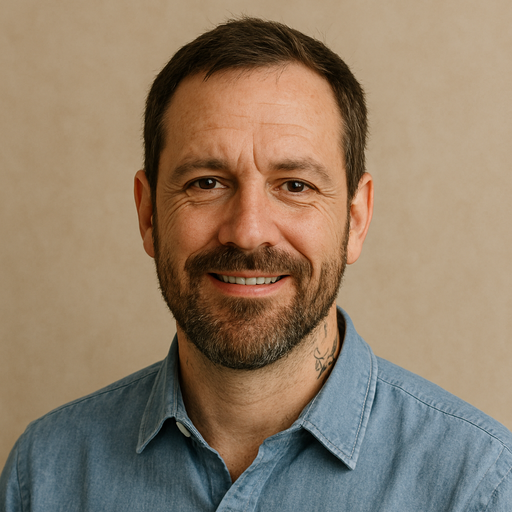
If you often feel heavy, gassy, or sleepy after meals, you are not alone. I used to rush lunch between meetings, then sit immediately for another hour and wonder why my stomach felt stuck. What finally helped was not a complicated protocol. It was a 10 to 15 minute walk right after eating. Simple movement can calm bloat, smooth motility - the wave-like movement that moves food through your digestive tract - and reduce that post-meal slump. It is one of the most effective Lifestyle & Habits for a Healthy Gut I teach in coaching sessions and at retreats.
Quick Summary
- A gentle 10 to 15 minute walk after meals can support digestion, reduce bloating, and steady energy.
- Start 5 to 10 minutes after you finish eating. Keep the pace light enough to talk easily.
- Breathing through the nose and standing upright help your diaphragm massage the gut for better motility.
- Consistency matters more than intensity. Aim for short, realistic walks after your main meals.
- Small tweaks - posture, pace, and timing - often make the biggest difference.
Why walking after meals helps your gut
Digestion is not just about what you eat. It is also influenced by your nervous system, blood flow, and how much you move. Light walking signals the body to shift into a calmer state after eating, which can reduce cramping and support the gut brain connection. Gentle motion also encourages motility, which helps food move at a steady pace so you are less likely to feel backed up or overly full.
There is another win. Post-meal movement helps your muscles use some of the glucose from your meal. That steadying effect on blood sugar can prevent the sharp peaks that make many people feel foggy or tired an hour after eating. Over time, steadier energy often translates into more consistent bowel rhythms.
For the microbiome - the ecosystem of bacteria in your gut - consistent movement is associated with greater diversity and resilience. Walking is not a magic switch, but it is a low-friction way to create a friendlier environment for those microbes while you build other habits like fiber variety and regular sleep.
The post-meal movement formula
Here is the approach I share with clients who want results without the rigid rules. Think of it as a calm, repeatable routine rather than a workout.
- Start time: Begin your walk 5 to 10 minutes after you finish eating. This gives your body a moment to settle without letting you drift into a long sit.
- Duration: Aim for 10 to 15 minutes. Even 7 minutes is worthwhile when time is tight. Consistency beats perfection.
- Pace: Keep an easy, conversational pace. You should be able to breathe through your nose most of the time and talk without effort. This tells your nervous system you are safe, which supports digestion.
- Posture: Stand tall with relaxed shoulders and a soft belly. Good posture lets the diaphragm move well, which gently massages abdominal organs and can ease pressure and gas.
- Breathing: Try a 4-count inhale and 6-count exhale through the nose for a minute or two. A longer exhale activates the rest-and-digest response that your gut loves.
- Route: Keep it simple. Walk the block, around the office floor, or down a hallway and back. The best route is the one you will repeat daily.
- Hydration: Sip water before the meal and a little after. Avoid chugging large amounts during the walk, which can slosh and feel uncomfortable.
- Clothing and shoes: Comfortable shoes and a light layer remove friction. I keep a pair of slip-ons near my desk to make the decision easy.
Fitting walks into real life
In high-stress corporate periods, I could not disappear for long breaks. What worked was mapping micro-routes: down two flights of stairs, a lap around the building, then back to my desk. Three 5 minute loops after breakfast, lunch, and dinner often felt better than one long walk. On cold days, I did indoor laps, stood to take a call, or used a gentle under-desk pedal for 8 to 10 minutes after lunch. It is not glamorous, but it keeps digestion moving.
If you eat with family, turn clean-up into movement. A calm stroll with a partner after dinner makes the habit social and steady. Parents often find that a short walk with kids doubles as wind-down time before evening routines. If you rely on public transit, exit one stop early after lunch a few times per week. The best plan is the one that fits into how you already live.
Common mistakes that blunt the benefits
- Going too hard. A fast, sweaty effort right after a large meal can feel crampy. Keep it easy and upright.
- Waiting too long. If you sit for an hour, momentum drops. Set a 10 minute timer when you put your fork down.
- Treating it like a fix for every food choice. Walking helps, but oversized portions or frequent ultra-rich meals may still lead to heaviness.
- Ignoring meal size. After a very large or high fat meal, start slower and keep the walk shorter. Add a longer session later in the day.
- Skipping on busy days. Shorten the walk instead. Three minutes is better than zero.
Digestive support tips that pair well with walking
- Chew thoroughly and set utensils down between bites. This jump-starts digestion and makes the walk more comfortable.
- Keep dinner earlier when possible. An after-dinner stroll is most helpful when there is at least 2 to 3 hours before bed.
- Build fiber gradually. As you increase beans, whole grains, and veggies, the post-meal walk can reduce gas - but ramp up slowly to avoid discomfort.
- Practice one minute of box breathing before you eat - inhale 4, hold 4, exhale 4, hold 4. Calmer meals digest better.
- Keep a gentle rhythm. Regular mealtimes and consistent sleep often improve regularity as much as any single strategy.
FAQ
How soon should I walk after I eat?
Most people do well starting 5 to 10 minutes after finishing a meal. If you feel overly full, begin slower or wait 15 minutes and keep the first few minutes very light.
How long should the walk be to help digestion?
10 to 15 minutes is a practical sweet spot. If time is tight, aim for 5 to 7 minutes and be consistent. Benefits build with repetition.
What if I have reflux?
Stay upright and gentle. Avoid bending at the waist and intense hills right after eating. Smaller meals and a calm walk often help, but persistent reflux is worth discussing with a clinician.
Does walking after eating help with bloating?
It can. Light movement encourages gas to move and supports motility. If bloating is frequent and severe, consider meal composition, fiber changes, and stress levels, and seek guidance if it persists.
Is this better than a long workout later?
They serve different roles. A later workout supports overall health, but a short post-meal walk targets digestion and blood sugar right after you eat. Many people benefit from both.
Can I do indoor steps instead of going outside?
Yes. Hallway laps, gentle marching in place, or a treadmill at an easy pace all work. Prioritize what you can repeat daily.
Caution notes
If you experience sharp abdominal pain, unexplained weight loss, blood in stool, or persistent digestive changes, get medical advice rather than relying on walking alone. If you are recovering from surgery, injury, or a condition that limits activity, confirm safe timing and intensity with your care team.
For most people, though, this habit is low risk and surprisingly effective. Start smaller than you think, then build. The goal is a calmer body that digests steadily, not a perfect streak.
I have seen this simple practice smooth out many rough edges of the day. A few minutes of intentional movement after you eat can be the hinge that turns scattered meals into a steady rhythm. Keep it easy, keep it regular, and let your gut do the rest.
- Ethan Ramirez, wellness coach and mindfulness practitioner