
Stomach burn after a quick shot, jitters after a bottled cold brew, or a sprint to the bathroom before a morning meeting can make coffee feel like a gamble. If you follow a low-FODMAP plan, plain coffee is usually allowed, yet symptoms still appear. The sticking points are not FODMAPs, but caffeine dose, coffee acids, beverage temperature, and how fast and when you drink it.
The goal is simple: keep the ritual, reduce the fallout. Choosing between cold brew and espresso is less about loyalty to a brew method and more about predictable dosing, acid profile, and timing with food. With a few adjustments, many readers enjoy coffee while keeping reflux calmer and bowel habits steadier.
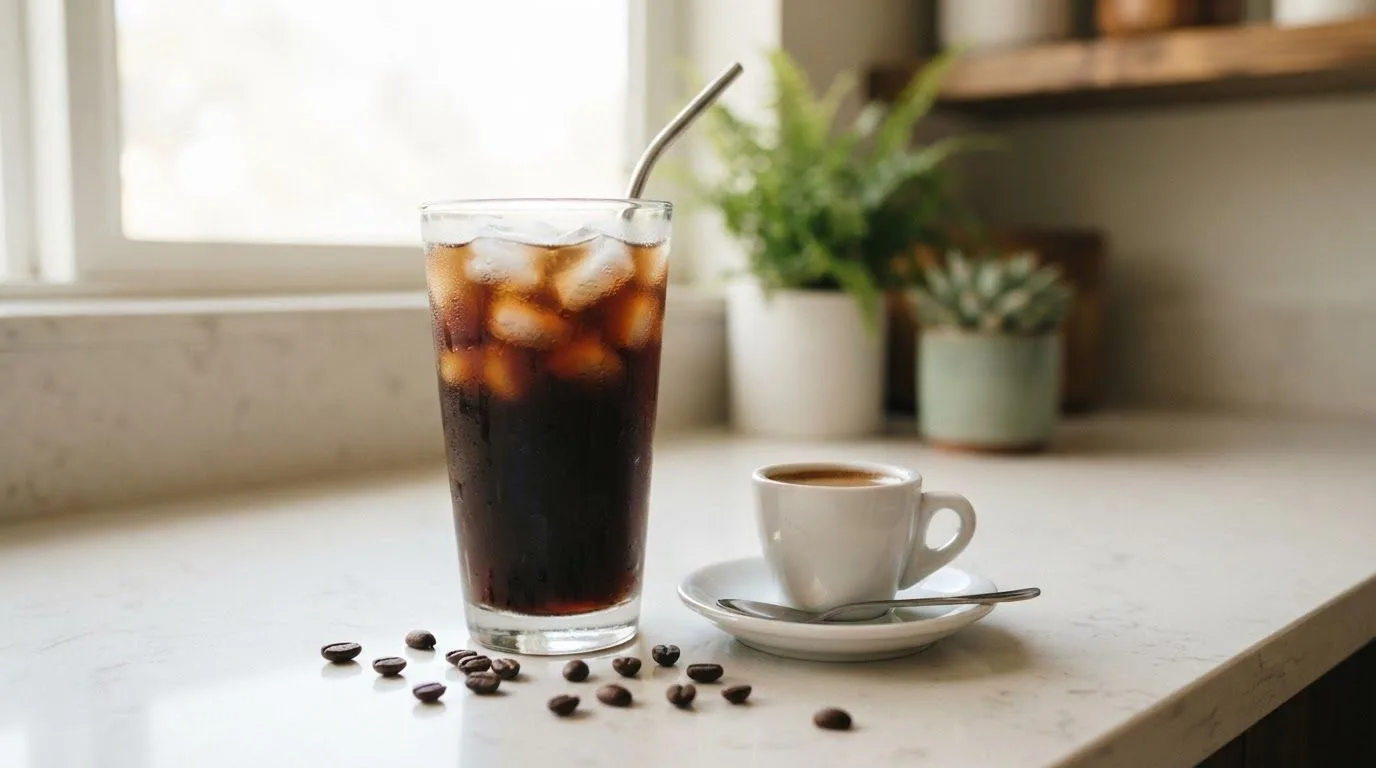
Why coffee feels different on a low-FODMAP plan
Black coffee itself is generally low FODMAP. High-FODMAP problems usually come from add-ins like regular milk, honey, agave, or creamers with inulin or chicory root fiber. Symptoms that follow plain coffee often trace to caffeine and organic acids rather than fermentable carbs.
Caffeine increases gut motility - the coordinated contractions that move food along. A faster transit can push stools looser or earlier than planned. Coffee also contains polyphenols such as chlorogenic acids, which can stimulate gastric acid and influence reflux. The microbiome - your gut’s community of microbes - adapts to regular routines. Big swings in caffeine or meal timing can unsettle that rhythm even if the brew is technically low FODMAP.
Caffeine dose by method: real-world numbers you can use
Dose predictability often matters more than brew loyalty. A single espresso can deliver a smaller, more predictable caffeine hit than a tall cold brew. The numbers below are typical lab findings using HPLC quantification, but roasts and recipes vary.
| Brew and serving | Typical volume | Approx. caffeine | Notes |
|---|---|---|---|
| Single espresso | 30 mL | 60 - 75 mg | Smallest predictable dose in cafes. Sip, do not shoot. |
| Double espresso | 60 mL | 120 - 150 mg | Default in many shops. Ask for a single if sensitive. |
| Cold brew concentrate | 240 mL | 200 - 300 mg | Dilute 1:1 to land near 100 - 150 mg per serving. |
| Ready-to-drink cold brew | 300 - 350 mL | 180 - 260 mg | Check label. Portion size drives dose. |
| Americano, single shot | 150 - 180 mL | 60 - 75 mg | Gentle pace without adding caffeine. |
Contrarian but useful: the smallest caffeine choice is often not decaf or cold brew, but a single espresso or a small Americano. Cold brew feels smooth yet can quietly deliver the day’s full caffeine in one glass if not diluted or portioned.
Acidity and chlorogenic acids: what drives reflux beyond pH
pH and how sharp coffee tastes are not the same thing. Titratable acidity - the total acid load that can neutralize base - often maps better to how a coffee feels in the stomach. Cold brew tends to show slightly higher pH but lower titratable acidity compared with hot methods, which is why it tastes rounder.
Chlorogenic acids break down into compounds like quinic and caffeic acids during roasting and brewing. Hot, pressurized extraction pulls a concentrated mix of acids and aromatics quickly, which helps flavor but may provoke reflux in sensitive drinkers. Cooler extraction extracts fewer of these acids, so diluted cold brew frequently feels gentler. Roast matters too: medium to dark roasts usually contain fewer chlorogenic acids than very light roasts.
Temperature and sip speed matter as much as chemistry. Very hot sips, taken fast and on an empty stomach, increase reflux risk. Letting the cup cool a few minutes and pairing it with food can reduce symptoms more than switching beans for some readers.
Matching the brew to your symptoms: reflux, urgency, and jitters
If reflux dominates, prioritize lower acid load and smaller sips. Diluted cold brew or a small Americano from a single shot, allowed to cool slightly, is a practical starting point. Drink with food to buffer gastric acid and slow absorption.
If urgency or loose stools are the pattern, control total caffeine first. Aim for 60 - 100 mg per sitting. Choose a single espresso or 120 - 180 mL of 1:1 diluted cold brew. Track stool form with the Bristol Stool Scale for a week; a move toward type 3 - 4 usually signals steadier transit.
If anxiety or palpitations stand out, keep portions small and later cups decaf. Caffeine’s half-life averages 3 - 7 hours and can extend to 8 - 10 hours with oral contraceptives, so set an early cutoff to protect sleep and next-morning gut rhythm.
Low-FODMAP additions that usually fit
- Lactose-free cow’s milk or ultra-filtered lactose-free options.
- Almond milk in modest pours, unsweetened, check for inulin-free formulas.
- Soy milk made from soy protein isolate, not whole soybeans.
- Maple syrup or table sugar in small amounts; skip honey and agave.
- Avoid creamers with inulin, chicory root, fructooligosaccharides, or sugar alcohols like sorbitol.
A 7-day coffee tolerance protocol
- Pick one method for the week: single espresso or 1:1 diluted cold brew.
- Fix the dose: 60 - 100 mg caffeine per serving. Use the table above or labels.
- Drink with food: pair with a protein plus carb snack or breakfast.
- Temperature and pace: warm, not scalding; sip over 10 - 15 minutes.
- Cutoff: no caffeine within 8 hours of bedtime. Choose decaf later if desired.
- Track response: note reflux, urgency, and energy. Use Bristol Stool Scale once daily.
- Adjust on day 4: if symptoms persist, drop caffeine by ~30 mg or switch to a darker roast. If calm, keep steady through day 7.
- Stop or seek advice if red flags appear: see Safety notes.
Mistakes that quietly magnify symptoms
Starting the day with a double shot on an empty stomach compresses caffeine and heat into a single intense moment, which often worsens reflux. Assuming cold brew is always gentler backfires when concentrate is not diluted or bottled portions are oversized. Fast gulping increases transient lower esophageal sphincter relaxations, which can trigger heartburn more than the coffee itself. Sugar-free syrups with sorbitol or inulin can unwind a low-FODMAP plan even if the base coffee is fine. Finally, chasing discomfort with another cup stacks caffeine and keeps the gut in go-mode.
Safety notes for caffeine, reflux, and IBS
Realistic expectations: adjusting brew, dose, and timing can reduce symptoms, but coffee does not treat GERD or IBS. Limitations include individual sensitivity to caffeine and acids, and the fact that decaf still contains organic acids. Interactions matter: pregnancy targets commonly suggest limiting total caffeine to 200 mg per day; certain medications slow caffeine clearance (for example, oral contraceptives) or interact with it (for example, clozapine and theophylline). Fluoroquinolone antibiotics like ciprofloxacin can raise caffeine levels. Cardiac arrhythmias, uncontrolled hypertension, active ulcers, or severe reflux may warrant stricter limits or temporary avoidance.
Red flags that need prompt evaluation include black or bloody stool, unintentional weight loss, persistent vomiting, anemia, nighttime abdominal pain that wakes you, fever, or dehydration from ongoing diarrhea. Persistent or escalating reflux despite dose control also deserves medical review.
FAQ on cold brew, espresso, and low FODMAP
Is black coffee low FODMAP?
Yes. Plain brewed coffee, espresso, and cold brew are generally low FODMAP. Triggers usually come from caffeine, acids, or high-FODMAP add-ins like regular milk, honey, or inulin-based creamers.
Does cold brew really have less acid than espresso?
Often yes in terms of titratable acidity, which aligns with how it feels in the stomach. Espresso is more concentrated and can feel sharper, especially with light roasts. Diluting cold brew and letting it warm slightly can help reflux-prone drinkers.
Which is better for reflux, iced or hot coffee?
Temperature and sip speed matter more than ice alone. Warm, not scalding, coffee sipped slowly with food usually provokes fewer symptoms than very hot sips on an empty stomach. Diluted cold brew is a reasonable first test.
How late in the day can you drink coffee without gut payback?
Finish caffeine at least 8 hours before bed. That window respects caffeine’s 3 - 7 hour half-life and protects sleep, which supports steadier motility and less morning urgency.
Cold brew dilution and espresso portion
Start simple and consistent. If reflux is your primary concern, use 120 - 180 mL of cold brew diluted 1:1, drink with breakfast, and keep total caffeine near 100 mg. If caffeine sensitivity or urgency leads, choose a single 30 mL espresso or a small Americano, sip over 10 - 15 minutes, and set a firm afternoon cutoff. Favor medium to dark roasts to lower chlorogenic acids, and skip high-FODMAP sweeteners. Keep one method for a week before changing anything. Consistency helps your microbiome and motility settle more than any single trick.